We use cookies to keep the site working and understand how it's used. Cookie Policy

Free Educational Resource

Your Business Credit Profile,
Explained Plainly

Business credit bureaus, PAYDEX scores, and how to build a credit history without paying anyone to do it for you. All information drawn from public sources.

Small business owner reviewing credit profile information on a laptop
No advice. No services. Just information.
D&B Reports Explained
PAYDEX Score Breakdown
Personal vs Business Credit
Build History from Zero

What This Site Covers

Business credit is a separate system from personal credit. It has its own bureaus, its own scoring methods, and its own rules. This site explains how each part works, using documentation from the bureaus and public federal sources.

Experian Business

Experian's Intelliscore Plus uses payment history, public records, and business demographics to produce a score from 1 to 100. Their reports also include a Financial Stability Risk Rating. The scoring model draws on data that businesses often don't know is being tracked.

Read more

Equifax Business

Equifax Business produces a Business Credit Risk Score and a Business Failure Score. Their data comes from banking relationships, trade credit, and public records. Understanding what feeds their model helps explain why two similar businesses can have very different profiles.

Read more

Personal vs Business Credit

They are separate systems. A business can have no credit file at all while its owner has a strong personal score. But lenders often check both, especially for small businesses. The connection is real, even when the systems are distinct. We explain where they overlap and where they don't.

Read more
Small business owner organizing business registration documents and credit applications at a wooden desk
No services sold here

Why We Don't Sell Anything

There are a lot of services out there that charge monthly fees to help you build business credit. Some of them are useful. But most of what they do, you can do yourself, for free, using public information.

This site exists to explain the process using documentation from the bureaus themselves, the Small Business Administration, and other federal sources. We don't offer credit repair, credit monitoring, or financial advice of any kind.

The information here won't replace a conversation with a qualified financial professional if you need one. But it can help you understand what questions to ask and what's actually happening when a bureau assigns your business a score.

More About This Project

How the PAYDEX Score Works

The PAYDEX score is D&B's dollar-weighted average of how a business pays its vendors and suppliers. It's calculated from trade payment experiences reported by creditors to D&B's database.

80-100

Prompt to Anticipate

Payments made on time or early. A score of 80 means payments are made exactly on due date. Scores above 80 indicate early payment.

50-79

Late Payment Range

Payments are being made, but consistently late. The specific score reflects average days beyond terms across all reported trade experiences.

1-49

Significantly Slow

Payments significantly overdue. This range indicates payment practices that creditors and suppliers would consider high risk.

No Score

Insufficient Data

D&B requires at least two trade payment experiences to calculate a PAYDEX score. New businesses often have no score, not a bad one.

Score descriptions above are based on publicly available D&B documentation. Score thresholds and interpretations are subject to change by D&B.

Building Credit History from Zero

Most small businesses start with no credit file. Here is the general sequence of steps that public sources describe for establishing one.

01

Form a Separate Business Entity

An LLC, corporation, or other formal structure gives your business a legal existence separate from you. This separation is the foundation that business credit bureaus use to create a distinct file for your business.

02

Get an EIN from the IRS

An Employer Identification Number is free to obtain directly from the IRS website. It functions like a Social Security number for your business and is required by many creditors and bureaus to associate accounts with your business entity.

03

Register for a DUNS Number

D&B's DUNS Number is free to request through their website. Many federal contracts require one, and it's the identifier D&B uses to track your business's payment history and maintain your credit file in their system.

04

Open Accounts That Report to Business Bureaus

Not all business accounts report to business credit bureaus. Some vendors, particularly those with net-30 payment terms, do report. Paying these accounts on time or early is what generates the trade payment data that bureaus use to build your file.

05

Separate Business and Personal Finances

A dedicated business bank account and business address keep your business identity clean. Mixing personal and business finances creates confusion in your files and can complicate how bureaus categorize your business's payment behavior.

PAYDEX Score Estimator

This tool gives a rough illustration of how payment timing affects a PAYDEX score. It is not an official D&B calculation. Use it to understand the relationship between payment timing and score range.

Enter a negative number for early payment (e.g. -5 for 5 days early)
--
Enter values above and click Estimate

This is an educational illustration only. Actual PAYDEX scores are calculated by Dun & Bradstreet using their proprietary system and weighting methods.

Public Sources We Draw From

Everything on this site is based on information that's publicly available. Here are the primary source categories we reference.

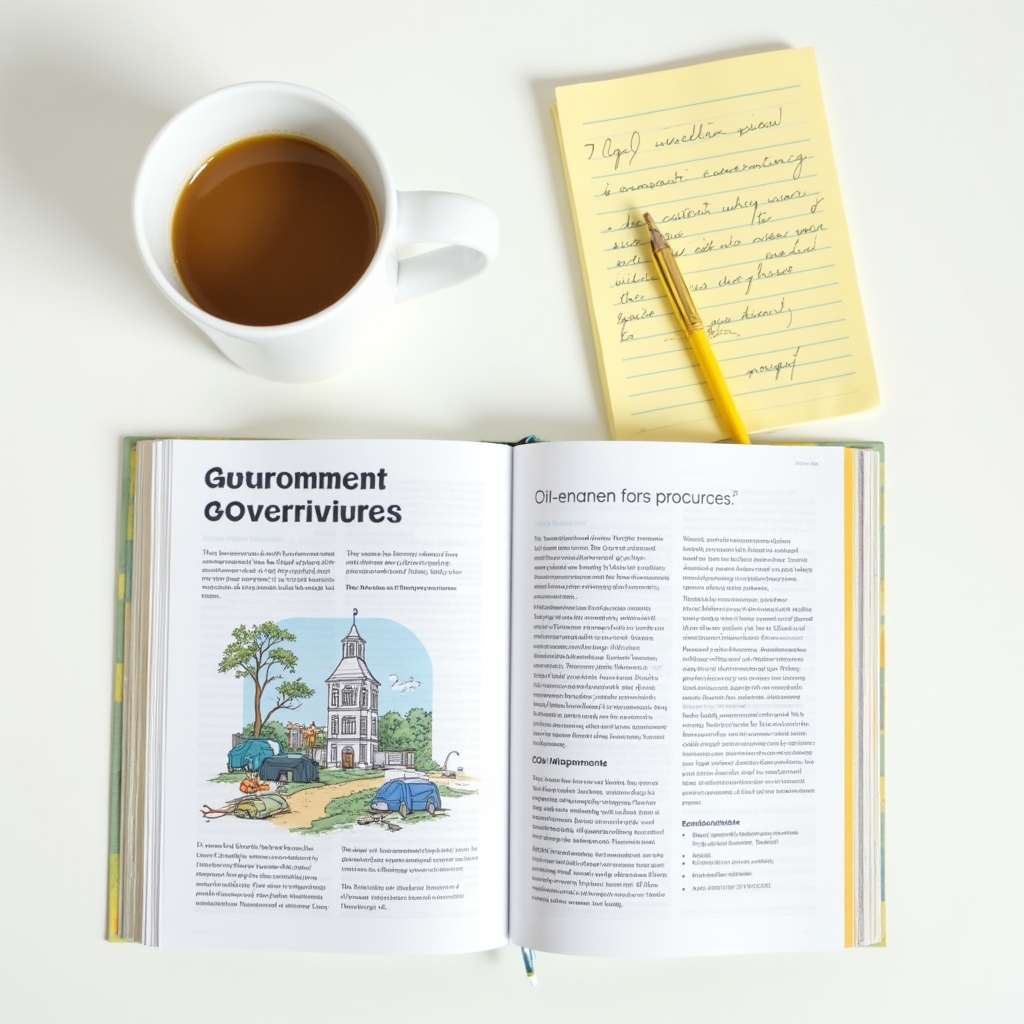
Open government resource guide booklet on a clean desk with a coffee mug and notepad

SBA Documentation

The Small Business Administration publishes guides on business formation, financing, and credit that are freely available at sba.gov.

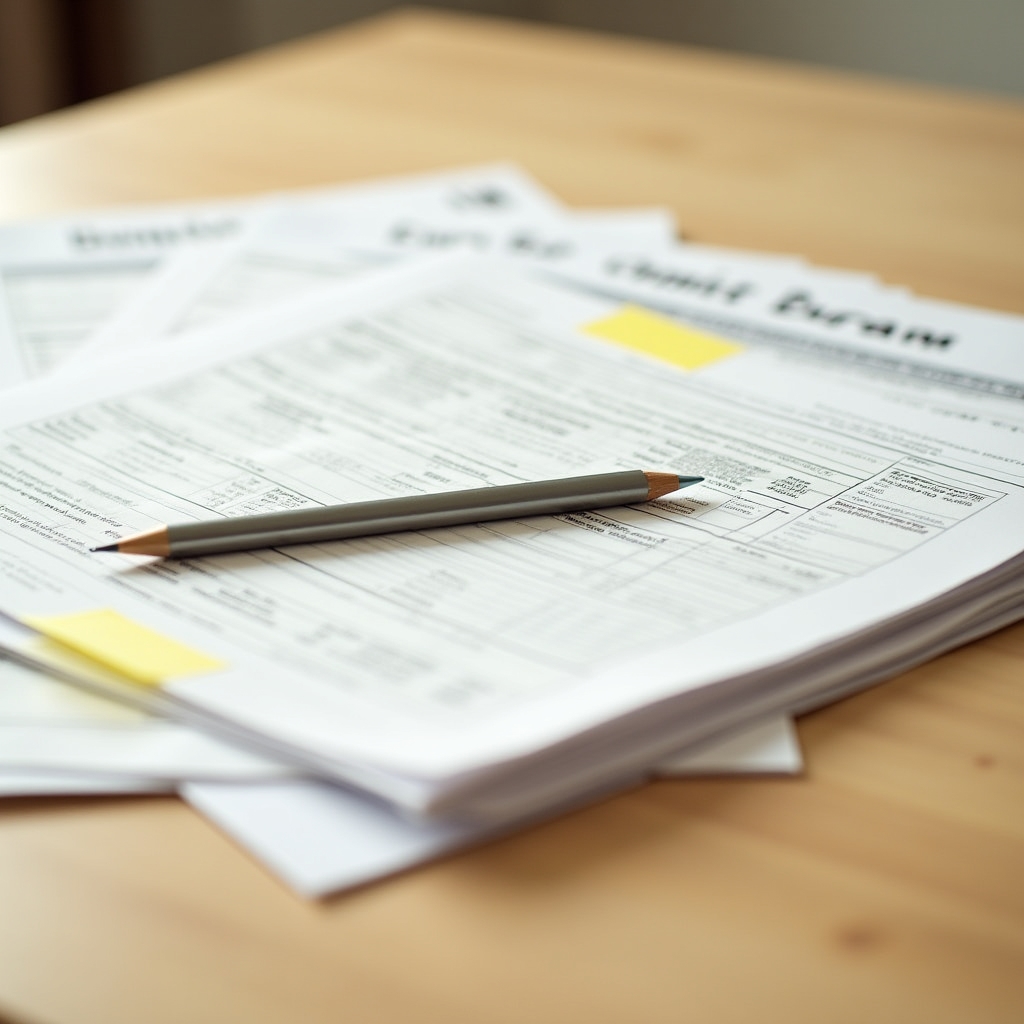
Stack of official credit bureau documentation and reports spread out on a light wooden table surface

Bureau Documentation

D&B, Experian, and Equifax each publish documentation explaining their products, scoring models, and data sources. We reference these directly.

Researcher reading through federal register documents at a library table with natural window light

Federal Sources

IRS guidance on EINs, FTC documentation on credit rights, and CFPB resources on business credit are all publicly accessible and free.

Reach Out

Questions about the site or suggestions for topics to cover? We're reachable through any of the channels below.

Address

1233 Findlay St
Cincinnati, OH